
What is Ethanol Blended Petrol (EBP) Programme ইথানল মিশ্রিত পেট্রোল (EBP) কর্মসূচি কী
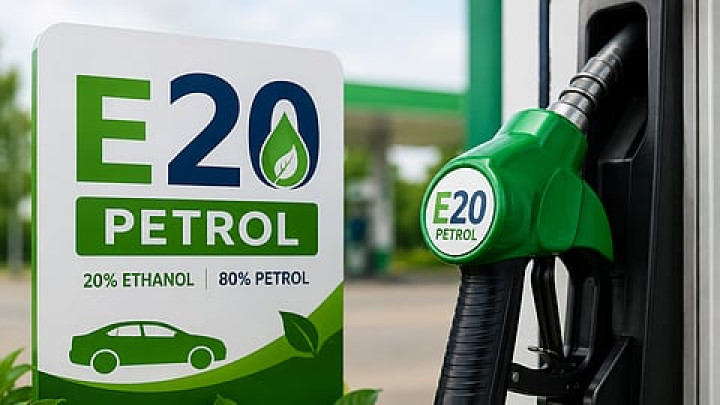
The Ethanol Blended Petrol (EBP) Programme
The Ethanol Blended Petrol (EBP) Programme is a Government of India initiative to mix ethanol (a biofuel made from crops such as sugarcane, maize, and damaged food grains) with petrol. The programme aims to reduce India's dependence on imported crude oil, cut pollution, and support farmers by creating demand for agricultural produce.
Objectives
- Reduce crude oil imports and improve energy security.
- Lower greenhouse gas and vehicle emissions.
- Provide better income opportunities for farmers.
- Promote the use of renewable and cleaner fuels.
Ethanol Sources
Ethanol used under the programme is mainly produced from:
- Sugarcane juice and molasses
- Maize (corn)
- Damaged food grains and surplus rice approved by the government
- Other agricultural feedstocks
Blending Levels
- E10: Petrol containing 10% ethanol and 90% petrol.
- E20: Petrol containing 20% ethanol and 80% petrol.
India has expanded ethanol blending rapidly in recent years, with the long-term goal of making E20 fuel widely available across the country.
Benefits
- Saves foreign exchange by reducing oil imports.
- Reduces carbon monoxide and other harmful emissions.
- Increases farmers' income through additional demand for crops.
- Supports India's climate and renewable energy goals.
Challenges
- Ensuring sufficient ethanol production without affecting food security.
- Expanding storage and distribution infrastructure.
- Increasing the number of vehicles compatible with E20 fuel.
Exam Points to Remember
- Launched: 2003 (pilot phase), later expanded nationwide.
- Implementing Ministry: Ministry of Petroleum & Natural Gas.
- Biofuel Used: Ethanol.
- Target Fuel: Petrol.
- Current Standard: E20 (20% ethanol blend) rollout across India.
- Key Aim: Reduce oil imports, cut emissions, and support farmers.
ইথানল মিশ্রিত পেট্রোল (EBP) কর্মসূচি
ইথানল মিশ্রিত পেট্রোল (EBP) কর্মসূচি হলো ভারত সরকারের একটি উদ্যোগ, যার মাধ্যমে পেট্রোলের সাথে ইথানল (আখ, ভুট্টা এবং ক্ষতিগ্রস্ত খাদ্যশস্যের মতো ফসল থেকে উৎপাদিত এক ধরণের জৈব-জ্বালানি) মেশানো হয়। এই কর্মসূচির লক্ষ্য হলো অপরিশোধিত তেল আমদানির ওপর ভারতের নির্ভরতা কমানো, দূষণ হ্রাস করা এবং কৃষিপণ্যের চাহিদা সৃষ্টির মাধ্যমে কৃষকদের সহায়তা করা।
উদ্দেশ্যসমূহ
- অপরিশোধিত তেল আমদানি কমানো এবং জ্বালানি নিরাপত্তা জোরদার করা।
- গ্রিনহাউস গ্যাস ও যানবাহন থেকে নির্গত ক্ষতিকর গ্যাসের পরিমাণ কমানো।
- কৃষকদের জন্য আয়ের উন্নত সুযোগ তৈরি করা।
- নবায়নযোগ্য ও অপেক্ষাকৃত পরিচ্ছন্ন জ্বালানির ব্যবহারকে উৎসাহিত করা।
ইথানলের উৎস
এই কর্মসূচির আওতায় ব্যবহৃত ইথানল মূলত নিম্নলিখিত উৎসগুলো থেকে উৎপাদিত হয়:
- আখের রস এবং চিটাগুড় (মোলাসেস)
- ভুট্টা
- ক্ষতিগ্রস্ত খাদ্যশস্য এবং সরকারের অনুমোদিত উদ্বৃত্ত চাল
- অন্যান্য কৃষিভিত্তিক কাঁচামাল
মিশ্রণের মাত্রা
- E10: পেট্রোল যাতে ১০% ইথানল এবং ৯০% পেট্রোল থাকে।
- E20: পেট্রোল যাতে ২০% ইথানল এবং ৮০% পেট্রোল থাকে।
সাম্প্রতিক বছরগুলোতে ভারত দ্রুতগতিতে ইথানল মিশ্রণের হার বাড়িয়েছে; এর দীর্ঘমেয়াদী লক্ষ্য হলো সারা দেশে E20 জ্বালানি ব্যাপকভাবে সহজলভ্য করা।
সুবিধাসমূহ
- তেল আমদানি কমিয়ে বৈদেশিক মুদ্রা সাশ্রয় করে।
- কার্বন মনোক্সাইড এবং অন্যান্য ক্ষতিকর গ্যাস নির্গমন কমায়।
- ফসলের অতিরিক্ত চাহিদার মাধ্যমে কৃষকদের আয় বৃদ্ধি করে।
- ভারতের জলবায়ু ও নবায়নযোগ্য জ্বালানি বিষয়ক লক্ষ্য অর্জনে সহায়তা করে।
চ্যালেঞ্জসমূহ
- খাদ্য নিরাপত্তার ওপর কোনো প্রভাব না ফেলে পর্যাপ্ত ইথানল উৎপাদন নিশ্চিত করা।
- সংরক্ষণ ও বিতরণ পরিকাঠামোর সম্প্রসারণ।
- E20 জ্বালানির উপযোগী যানবাহনের সংখ্যা বৃদ্ধি করা।
পরীক্ষার জন্য মনে রাখার মতো বিষয়সমূহ
- সূচনা: ২০০৩ সাল (পরীক্ষামূলক পর্যায়), পরবর্তীতে সারা দেশে সম্প্রসারিত।
- বাস্তবায়নকারী মন্ত্রক: পেট্রোলিয়াম ও প্রাকৃতিক গ্যাস মন্ত্রণালয়।
- ব্যবহৃত জৈব-জ্বালানি: ইথানল।
- লক্ষ্যভুক্ত জ্বালানি: পেট্রোল।
- বর্তমান মানদণ্ড: E20 (২০% ইথানল মিশ্রণ) সারা ভারত জুড়ে চালু করা।
- মূল লক্ষ্য: তেল আমদানি কমানো, নির্গমন হ্রাস করা এবং কৃষকদের সহায়তা করা।